
ACEs and the New Research
For decades, the field of psychology has focused on the impact of childhood adversity on the developing brain and nervous system, and rightfully so. Understanding the effects of trauma has helped us better support children, families, and communities. However, it has also left many of us wondering: What helps people heal?
The landmark Adverse Childhood Experiences (ACEs) Study conducted in 1998 by Kaiser Permanente, Dr. Anda, and Dr. Felitti, motivated so many of us to advocate for the wellbeing of children.
Over the years, the ACEs Study helped us connect the dots between childhood adversity and many of the challenges we see later in life, including poor mental health, substance use, violence, child welfare involvement, and incarceration. Most importantly, it gave us a shared language for understanding why preventing and healing childhood trauma matters.
However, we’ve reached a point in the science where we need to widen our conversation to include the mitigating factors and benevolent experiences that buffer the affect of childhood trauma for the individual, so that we can continue to improve our world and prevent suffering.
An Introduction to Positive Childhood and Positive Adult Experiences Studies
Over the last few years, research has emerged on adults and children that is crucial to the future of trauma-informed care because it asked a different question than the ACEs study: What helps people heal, thrive, and overcome Adverse Childhood Experiences?
This research has uncovered the Positive Childhood Experiences (PCEs) and Positive Adult Experiences(PAEs) that can mitigate the impact of early life trauma. Rather than focusing solely on what goes wrong in childhood, researchers, such as Christina Bethell, Ph.D, Ali Crandall, Ph.D, and others, began exploring what goes right. Hallelujah!
What Are PAEs and PCEs?
Positive Adult Experiences are the relationships, opportunities, and experiences that help adults feel connected, safe, supported, and purposeful. Positive Childhood Experiences are similar experiences that occur during childhood and adolescence, from birth through age 18.
While researchers continue to refine this emerging area of study, several themes consistently appear in the literature:
- Having supportive relationships
- Feeling emotionally safe with others
- Experiencing a sense of belonging
- Having opportunities to contribute and help others
- Being encouraged to learn and grow
- Feeling valued and respected
- Having trusted mentors, colleagues, or friends
- Finding meaning and purpose in life
- Participating in supportive communities
- Experiencing hope about the future
Side note: Most of the positive experiences studied are with people. I would love to see research that includes time spent in nature or engaging in creativity because I think we would find that they also support healing and thriving in a significant number of people.
To many of us in the trauma field, the findings on Positive Adult Experiences and Positive Childhood Experiences may seem obvious. Of course people do better when they feel safe, supported, and connected. But now we have research that can help turn these common-sense truths into policies, funding, and priorities that strengthen families and communities.
Why PAEs and PCEs Matter
Research suggests that the positive experiences across the lifespan help buffer the effects of childhood adversity and support mental health, well-being, and resilience over the lifespan (Cunha et al., 2024).
Research specifically on Positive Adult Experiences (PAEs) found that adults who reported more supportive relationships, belonging, connection, and opportunities for growth had significantly lower odds of depression and anxiety, even when they had experienced high levels of childhood adversity (Crandall et al., 2023).
This matters because many people who experience adversity in childhood assume that the most important experiences have already happened, but the science suggests otherwise.
On a larger scale, this research has the potential to:
• Shift our focus from simply preventing harm to creating more opportunities for connection and belonging.
• Influence funding for programs that support families, mentoring, community spaces, and social support.
• Change how we measure success by looking not only at what’s going wrong, but also at what’s helping people thrive.
• Remind us that healing is possible throughout life and that children do best when the adults caring for them are supported too.
• Reframe child abuse and neglect as not only individual problems, but community problems that require community solutions.
Just as the ACEs Study changed how we think about adversity, I believe this research could change how we think about healing. This shift in perspective reminds us that while adversity matters, so does connection, safety, meaning, and hope no matter what age you are.
Reality Check
You might be thinking, “Wait, not so fast. We haven’t even scraped the surface on getting folks to recognize and address ACEs and and you want to move on to the positive side of things?” And, I would have to agree with you.
I almost break out in a rash when I hear or see toxic positivity trying to turn trauma into a pathway to resilience, but that isn’t what these studies are about. The research on Positive Adult and Childhood Experiences suggests there is HOPE for people with early life trauma, but it doesn’t ignore the very real impact of that trauma.
While this is extremely hopeful news, I want to be careful not to minimize or invalidate the severe impact of childhood trauma.
Not everyone will have access to the positive experiences they need to overcome trauma, and even if they do, some people have poor outcomes in life for reasons we still don’t fully understand.
New Opportunities for Healing Despite Adversity
When we learn about what helps people overcome adversity we open the conversation to include possibilities instead of only deficits, which I thik could accelerate progress in our communities, reach people turned off by the word “trauma,” and inject a new dose of inspiration into the psyches of people relentlessly advocating for the wellbeing of children.
When I began my career 15 years ago as a therapist with children in the foster care system, trauma-informed care was in it’s infancy. Since then, we’ve made significant growth in educating about childhood trauma. We’ve changed policies, and adjusted our systems to better meet the needs of children, which is incredible. AND, we’ve largely ignored an elephant in the room:
Many children experiencing trauma responses are being raised by parents who are carrying unresolved trauma of their own. Some cope with that pain through substance use or other forms of self-medication. While we are often quick to focus on the harm caused by a parent’s behavior, we may overlook the wounded child within them.
Recognizing this history does not excuse harmful behavior, but it does create an opportunity to approach rehabilitation with greater understanding of the root causes of suffering.
As a psychotherapist it became clear to me early on in my career that it’s almost impossible to help a child heal from trauma unless their parents are actively involved in their treatment, or have been through mental health treatment in the past.
In addition, a child’s emotional and social struggles are a symptom of a larger problem within the family and social system, not the cause. My point here is that children are likely to remain stuck in their trauma responses unless we start providing the same level of support and compassion to the adults in their lives.
Positive Adult Experiences Can Increase Positive Childhood Experiences
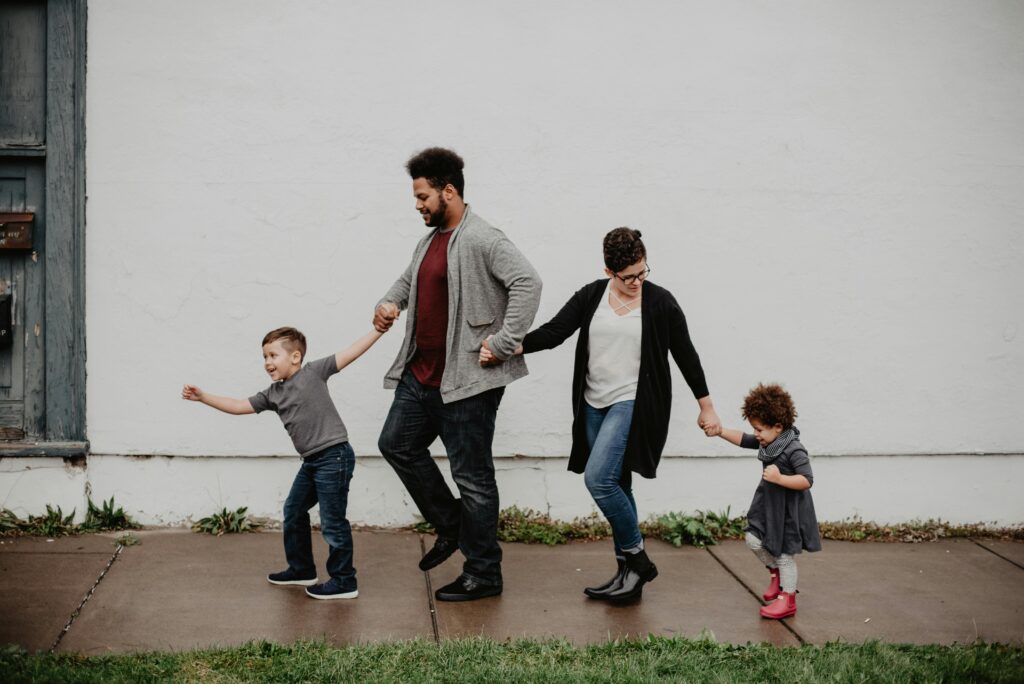
Most parents already know what they want to stop doing. What we don’t talk about enough is what parents need more of.
Research suggests that when adults experience support, connection, and belonging, they are better able to show up for their children. Which means preventing child abuse and neglect is about creating communities where families don’t have to do it alone. When parents are supported, healing and resilience can be passed forward.
What I’ve found in my work with families:
- When adults experience emotional safety, they are more likely to create emotional safety for children.
- When adults have people who support them, they are more likely to co-regulate with their children.
- When adults have opportunities to heal, they are better able to recognize when old wounds are showing up in present-day relationships.
- When adults create weekly rituals and participate in their community, children feel like they belong to something important, which can increase feelings of safety and trust.
Small but Powerful Ways to Increase Positive Adult Experiences
The exciting news is that each of us has an opportunity to increase connection and belonging in every day life. Here are just a few examples to get you started:
- Remember someone’s name you see out in your community and say hello
- Invite a friend or neighbor to go for a walk with you instead of going alone
- Volunteer to help families with child care in your community
- Invite a friend or family member to run errands with you, make it a monthly ritual
- Reduce barriers to community activities. Ex. Advocate to keep family activities in your school free or low cost
- Put your phone down for 10 minutes a day and be present with your children
- Create weekly rituals like Friday pizza night or Sunday walks (Check out how the Dutch use walking rituals to increase wellbeing in their country)
- Watch TV together. I know it almost sounds too simple, but with everyone using their own devices and watching different things, we become separated in our own experiences. Some of my happiest memories I have as a child are those nights we cozied up on the couch for a movie together. It was a bonding experience, and provided opportunities to talk about the show or movie. Note: Make sure what you watch as a family is age-appropriate and not triggering for the children with you.
Like I mentioned at the top of this newsletter, we’ve been focused on preventing harm for decades, and it’s not enough. We need to start educating others on the positive, every day action we can take in our communities to help ourselves and others heal from the trauma of this world.
Quick Self-Assessment
How many of these PAEs do you currently have in your life?
- Two or more people I can call when I need support
- A sense of belonging in at least one community
- Opportunities to learn and grow
- Five or more meaningful rituals or traditions
- One creative outlet (or more)
- Three people who make me feel valued and appreciated
Which area could use a little more attention this summer?
References
Crandall, A., Magnusson, B. M., Barlow, M. J., Randall, H., Policky, A. L., & Hanson, C. L. (2023). Positive adult experiences as turning points for better adult mental health after childhood adversity. Frontiers in public health, 11, 1223953. https://doi.org/10.3389/fpubh.2023.1223953
Bethell, C. D., Jones, J., Gombojav, N., Linkenbach, J., & Sege, R. (2019). Positive childhood experiences and adult mental and relational health in a statewide sample. JAMA Pediatrics, 173(11), e193007.
Cunha, O., Machado, C., Braga, T., & Gonçalves, R. A. (2024). Positive childhood experiences and adult outcomes: A systematic review. Current Psychology.
Trauma Champion of the Month
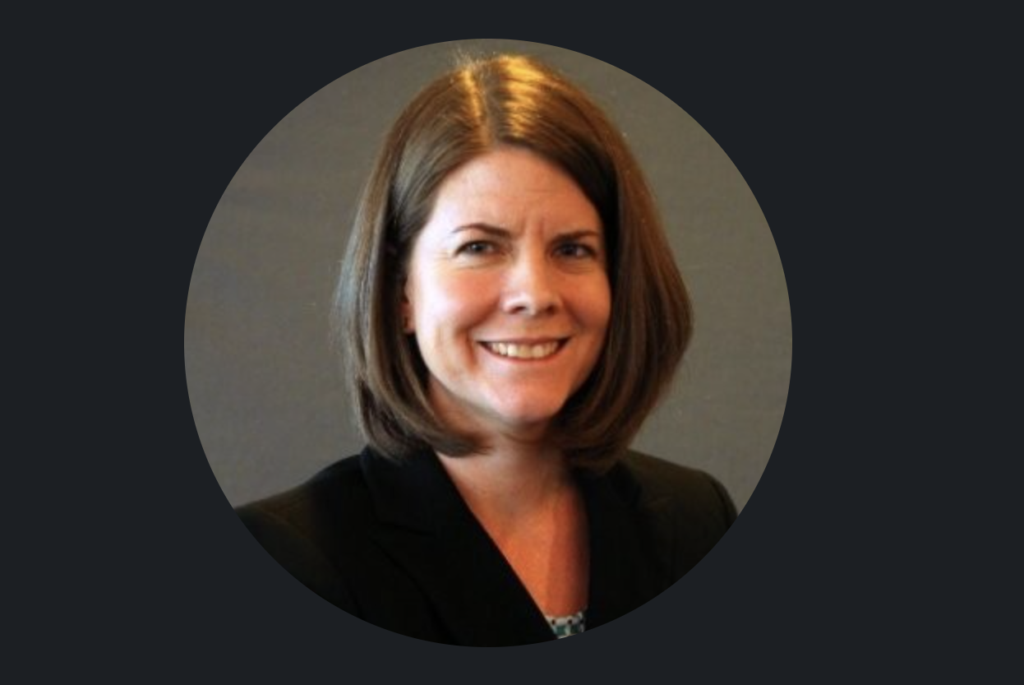
Dr. Ali Crandall, Ph.D is a public health researcher whose work has helped expand the conversation beyond Adverse Childhood Experiences (ACEs) to include the powerful role of positive experiences throughout life. Her research has contributed to our understanding of Positive Childhood Experiences (PCEs) and, more recently, Positive Adult Experiences (PAEs), demonstrating that supportive relationships can promote resilience and better mental health.
Her studies suggest that positive experiences in adulthood may help reduce the risk of anxiety and depression, even among individuals who experienced significant adversity during childhood. Dr. Crandall’s work offers an important message of hope: healing is not limited to childhood, and positive experiences can continue to shape well-being throughout our lives.
Resource of the Month
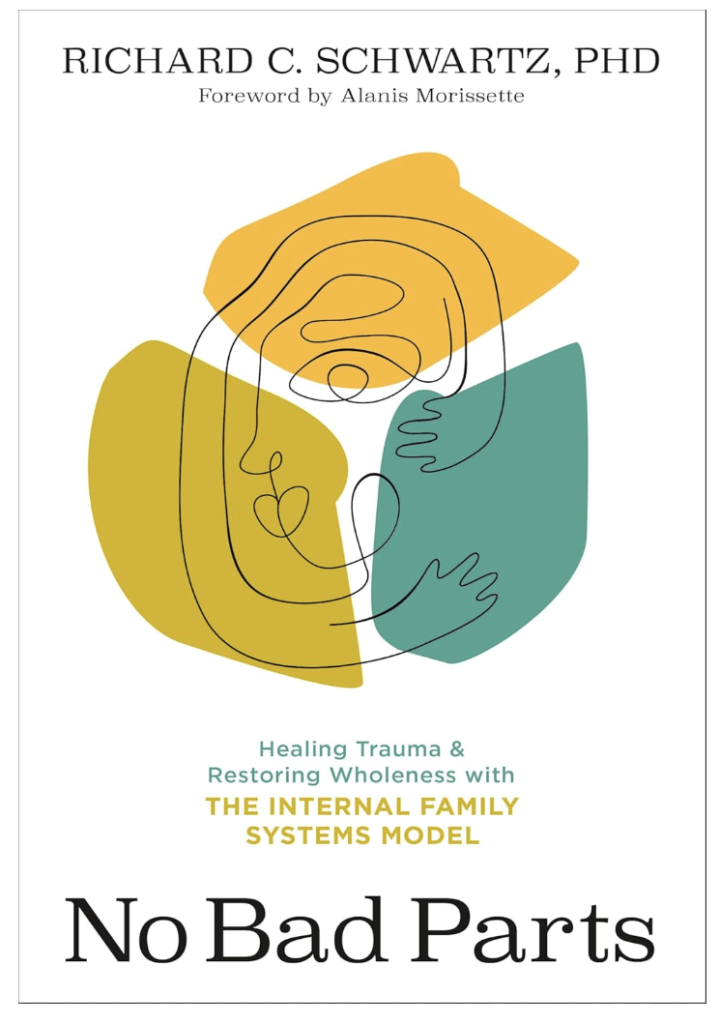
This month I have a book recommendation!
No Bad Parts: Healing Trauma and Restoring Wholeness with the Internal Family Systems Model (affiliate link). I learned so much about myself and others from reading this book and I think it can be a game-changer for people with trauma, at the same time, remember to take what works for you and leave the rest. I’m not 100% aligned with everything he says in the book, and that’s ok.
What I appreciate about the book:
- It encourages curiosity instead of self-criticism.
- It normalizes inner conflict. We all have competing thoughts, feelings, and impulses.
- It helps people understand that behaviors often make sense in the context of their experiences.
- Many readers with trauma histories find the language less pathologizing and more hopeful.
A few caveats:
- The “parts” language is a metaphor, not a proven description of how the mind literally works.
- Some of the spiritual language may not resonate with everyone.
- The book can make deep trauma work seem simpler than it is. Complex trauma, dissociation, and attachment wounds often require skilled support.
- The research base for IFS is growing, but it is not as extensive as that for approaches like CBT, EMDR, or trauma-focused therapies.
Excerpt:
“When you tell a person they are sick and ignore the larger context in which their symptoms make sense, not only do you miss leverage points that could lead to transformation, but you also produce a passive patient who feels defective.”
In Closing…
As some of you know, I tend to write about topics that are meaningful to me personally, and this newsletter is no exception. When I reflected on the research of Positive Adult Experiences this month, I found myself thinking about the many relationships that have shaped my own healing and well-being over the years. Some were family, some were friends, and some were short-term relationships or acquaintances that changed me more than they know.
I also noticed that for me relationships do not have to be human to be healing. I maintain a spiritual relationship with my mother who died almost 21 years ago. I also hold a relationship with nature, art, and especially my dog that brings me strength and healing.
What’s most interesting to me is that none of these positive experiences erase the hard experiences I had earlier in life, but they’ve helped me grow around my trauma and loss, so that my life is now “bigger” than my trauma, if that makes sense. I think that’s what I find most hopeful about this research. Maybe the trauma doesn’t get smaller with time, but our lives get bigger, with the right support.
My hope for you this month is that you not only help create these experiences for the children in your life, but that you intentionally seek them out for yourself because you deserve them just as much as anyone.
I know how busy you are and if you made it to the end of this newsletter (it was a long one!), please let me know. I am so grateful you took the time to read about the hope of PAEs and PCEs. With over 70K subscribers, I use this space to share resources, guidance, and information that can prevent and mitigate childhood trauma.
I know I say this every month, but it’s true: Receiving feedback from you is the greatest motivator for continuing to write each month. If you have 10 seconds, please leave a comment or drop a heart below so I know my newsletter is reaching the people who find it useful.
How We Can Work Together
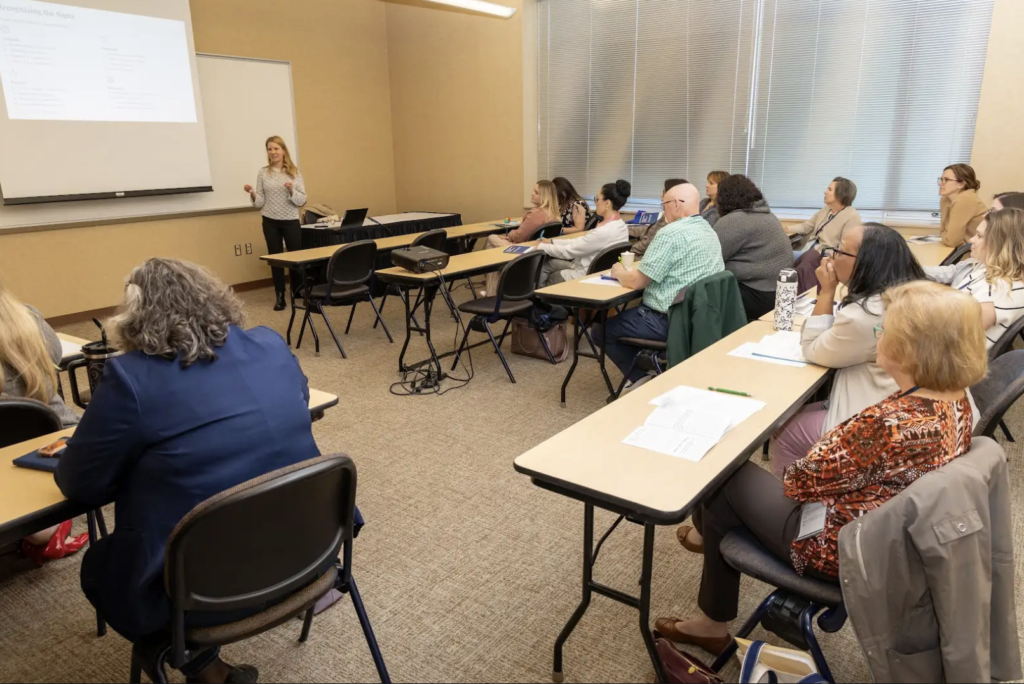
If you’re looking to bring practical, evidence-based trauma education to your organization or community, I’d love to connect. My audiences often tell me they appreciate my ability to translate complex research into relatable, real-world strategies they can use right away. If that sounds like a fit for your team, contact me to schedule an exploratory call.
I provide:
- Online training and workshop facilitation
- Keynote speeches
- In-person continuing education
- Curriculum development
- Consulting on custom projects
You can also visit my Work With Me webpage to see my pricing sheet and learn more about Beth Tyson Trauma Consulting.
Until next time, keep fighting the good fight. The world needs your light!
With hope,
Beth

