
The Children Who Slide Under the Radar
Welcome to this edition of the Childhood Trauma Newsletter™. This month’s newsletter is going to look a little different than usual. If you been here for a while, you probably expect a story about childhood trauma from me and then the trauma-informed guidance. But, this month, I’m giving space for a new voice to enter the conversation here in my community. Her name is K. Rhiannon, and she will share her tender and insightful reflection on her experience with childhood emotional abuse (CEA) and neglect (CEN).
K. embodies what a Trauma Champion is in every way. Despite the harsh childhood she was forced to endure, she chose to rise above the pain and help others. While I understand that not everyone is able to turn their pain into purpose, K. is doing just that, and it’s an honor to give her a place to share her story.
When people think about childhood trauma, the conversation often centers around physical and se%ual abuse, and for good reason. These forms of harm deserve urgent attention and protection. But there are other types of trauma that slide under the radar and can silently shape a child’s nervous system for years without being clearly recognized.
In this newsletter, K. will share her lived experience with Childhood Emotional Abuse (CEA). She’ll explore what it was like for her, how we can recognize it, why it is so often overlooked, and most importantly, how adults can help children heal from its impact.
K. experienced the kind of childhood nobody wishes for, but that’s not the end of her story. She is also an aspiring writer, mental health professional, and currently volunteers in the foster home review process where she helps determine which homes are suitable for children coming into care.
We met over Zoom a few weeks ago and she instantly stole my heart! After she shared her story with me I felt that her story of CEA was so important it deserved to be heard on a larger “stage”. Thank you for being here as a witness to K’s story. We hope that it helps one reader feel less alone in their experience with CEA, and that it would find the caregivers who need to hear it most.
To be cautious – this story does contain reflections of CEA. If you have a history of this type of abuse, you might find the following content distressing or upsetting. Please read with caution and take good care of yourself. It can help to journal about what you read and/or talk to a trusted friend afterwards.
The Children Who Slide Under the Radar: Fawning as a Trauma Response to Childhood Emotional Abuse
Introducing Author: K. Rhiannon – This month’s “Trauma Champion”
“Like wildflowers, you must allow yourself to grow in all the places people never thought you would.” That quote has stayed with me for most of my life.
When I was in elementary school, I remember intentionally jumping off a swing set because some part of me hoped that if I got hurt, someone would finally notice I needed help and nurture me.
Looking back now, that realization breaks my heart. At such a young age, I already understood that physical pain received more care and attention than emotional pain ever did.
I also visited the school nurse constantly with nausea, dizziness, and an overwhelming feeling that something was wrong in my body. At the time, I did not understand that chronic stress and emotional instability at home were manifesting physically. I just knew I never felt okay.
Early Warning Signs
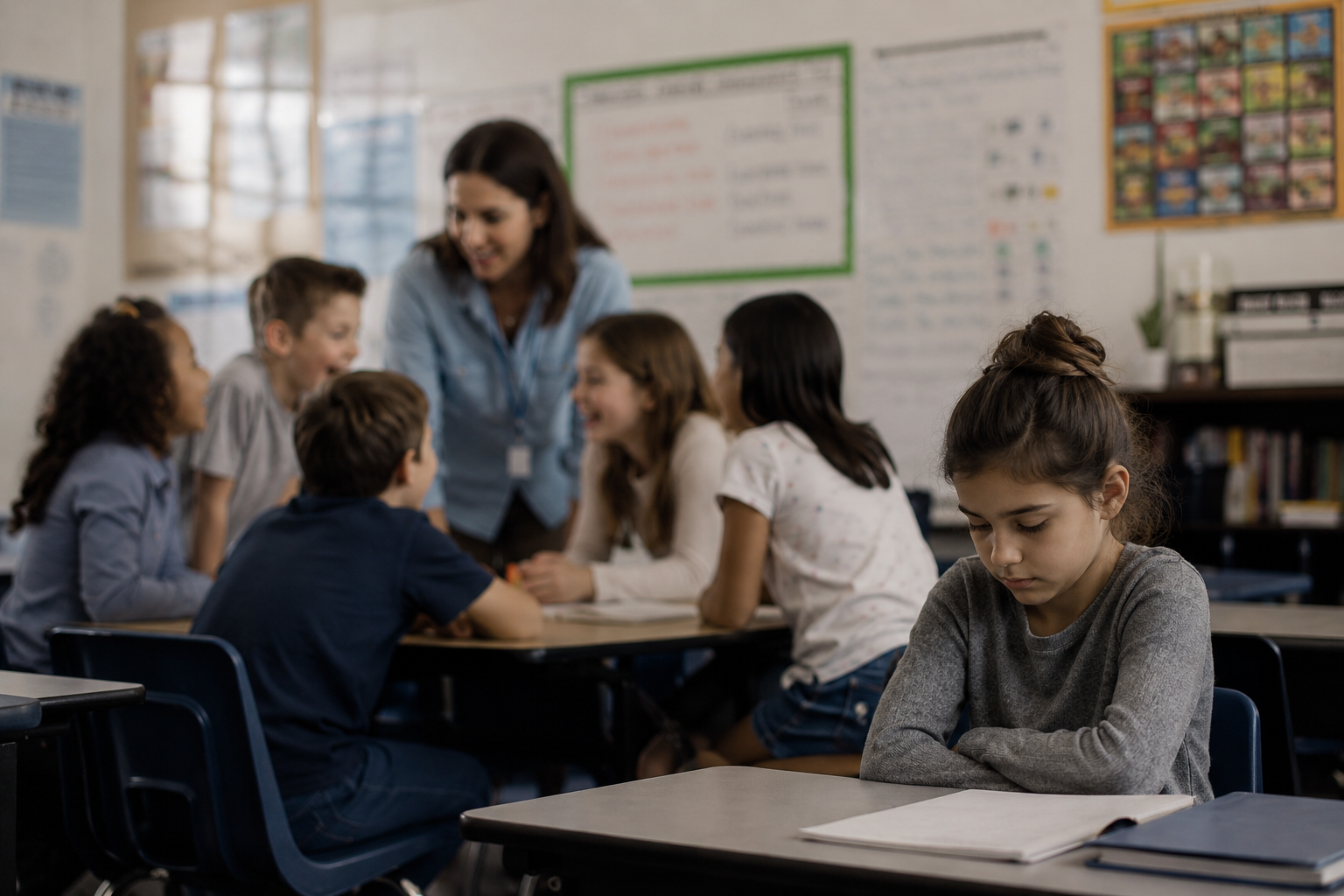
As a child, I was described as mature beyond my years, exceptionally kind, caring, and well behaved. I had friends. I did my schoolwork and I followed the rules. From the outside, I looked like a child who was doing okay. What adults did not realize was that my maturity and people-pleasing behaviors were survival skills.
Eventually, that school nurse I felt safe with became frustrated with me. I still remember moments where she would visibly roll her eyes when I walked into her office. Looking back, I realize she interpreted my pain as negative attention-seeking behavior, rather than an obvious sign that something deeper might be happening at home.
I wasn’t just trying to get out of class. I was seeking care from an adult. The care I should’ve been receiving in my family, but wasn’t.

I lived in a home that felt hostile towards me, so I became an expert at reading the room, anticipating other people’s emotions, avoiding conflict, and shrinking parts of myself to keep other people comfortable. I learned early on that being low maintenance made my life feel safer. I flew under the radar in school for the most part, but there were moments when the cracks showed, and sadly, nobody noticed.
Not All Families Are Psychologically Safe
I was raised by a mother who carried significant unresolved trauma and struggled to regulate her emotions. She struggled with her mental health, but never got help for herself. As a child, I didn’t know what version of her I was going to come home to. If she was having a bad day, everyone else would have a worse one.
I spent much of my childhood hypervigilant, constantly trying to prevent conflict, soften tension, and manage emotions that were never mine to carry. I was frequently given the silent treatment as punishment which might sound like “no big deal,” but children are biologically wired to seek connection with caregivers for survival. When my parent suddenly withdrew warmth, eye contact, and responsiveness, I didn’t think, “Mom or Dad needs time to calm down.”
I thought:
“What did I do wrong?”
“Am I bad?”
“Am I too much?”
“Could they stop loving me?”
Like many children from abusive homes, I learned to use humor to diffuse uncomfortable situations. I was afraid of expressing difficult emotions or bringing up problems because I knew they would used against me through emotional outbursts, or shame.
Children Are Often Invalidated When They Seek Help
There were many times where I tried to explain to my mother that I was struggling emotionally, only to be told that I was dramatic, ungrateful, or seeking attention. In fact, she warned me not to ask for mental health support because I would be labeled “crazy.”
I was reminded constantly that my physical needs were being met such as food, clothes, and a roof over my head, as though emotional safety and connection were luxuries rather than basic developmental needs. That confusion is something many survivors of emotional abuse struggle with because from the outside, things can appear “good enough.”
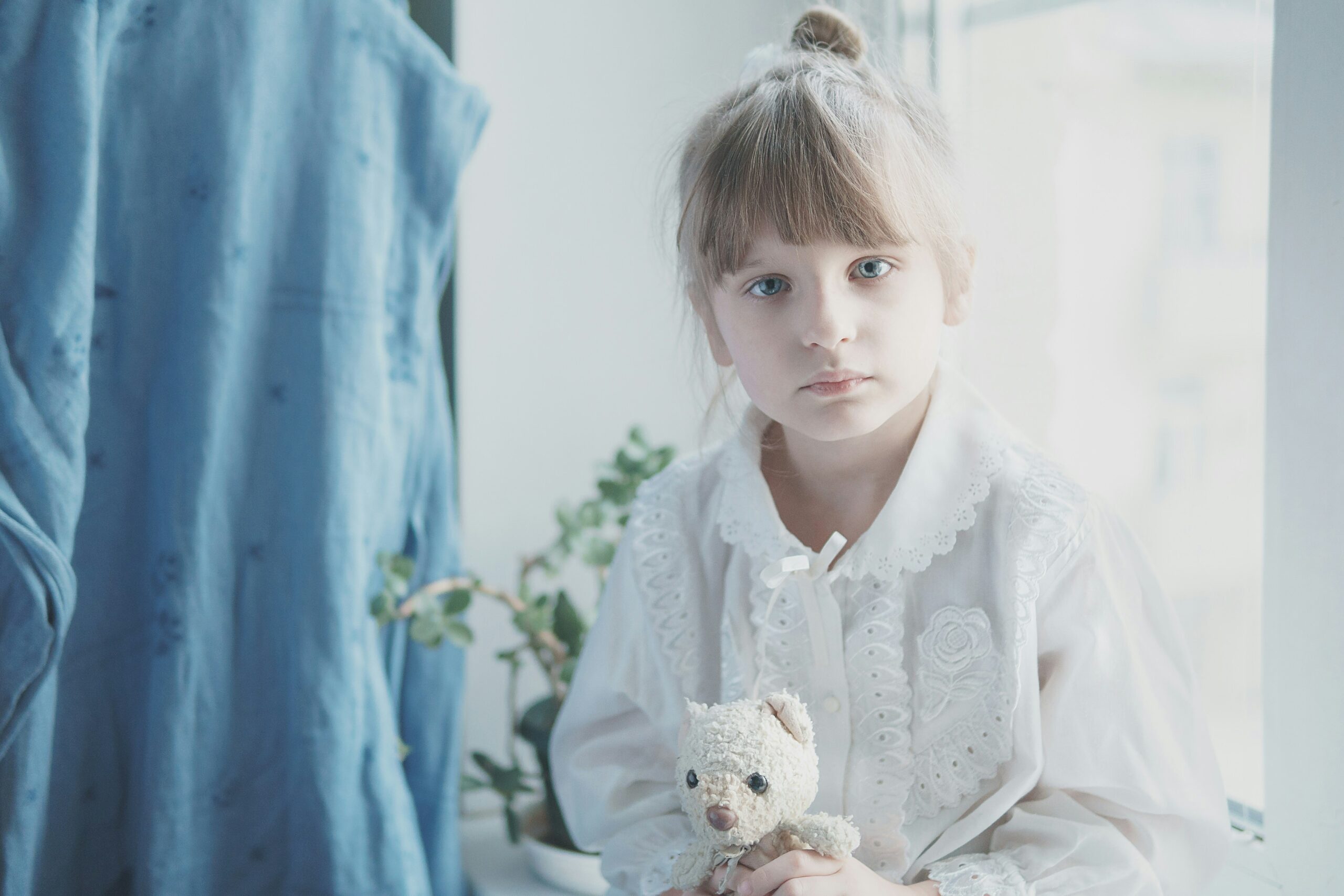
I am sharing my story today because I want people to understand that there may not always be obvious signs of abuse. A child may still attend school, participate in activities, smile in photographs, and appear high functioning to the outside world. But emotional abuse often lives in what is missing rather than what is seen.
As an adult, I learned there was a name for many of the behaviors I developed to survive: the “fawn” trauma response, one of the four primary trauma responses. It means I became highly attuned to other people’s emotions, needs, and expectations while losing connection with my own.
I could give hundreds of examples of interactions from my childhood that still haunt me well into my 30s. Emotional abuse often leaves behind wounds that are difficult to explain because so much of the damage comes not only from what happened, but from what was consistently missing. But, I do not need to share every painful memory in order to make my point.
Childhood Emotional Abuse Can Leave a Lifelong Impact
The effects of growing up in chronic emotional instability followed me long after childhood ended. Much of my adult life involves trying to untangle anxiety, shame, hypervigilance, people pleasing, fear of conflict, and a fractured sense of self. Like many adults who grew up in emotionally unhealthy environments, I spent years in therapy processing the dysfunction of the person who should have been going to therapy themselves.
I still remember one therapy session when I was around sixteen years old. I convinced my mother to attend a session with me in hopes that maybe, finally, we could have a calm and honest conversation with support present. The session lasted only a few minutes before she completely spiraled, screaming at the therapist, shouting about her own trauma and struggles, and reacting as though she were being attacked and labeled a bad mother, even though that was never what the therapist had said or insinuated.
That moment stayed with me because it reinforced something I had already learned very young: there was never room for my emotions if they threatened someone else’s ability to avoid accountability for their own.
Children raised in emotionally unstable environments often become disconnected from themselves because survival requires constant adaptation. We create a “false self” in order to maintain emotional safety, approval, or love. I experienced that deeply growing up.
In fact, I was even named after someone in my family who was widely loved and admired, especially by my mother. From a very young age, I felt intense pressure to mirror that person perfectly. If I expressed different parts of myself that did not align with those expectations, I was often met with criticism, or ridicule.
Over time, I lost any sense of who I actually was. I became so focused on being “good,” to others that I developed an identity crisis at a very young age. I did not know what I genuinely liked, believed, wanted in my life.
A Turning Point – Taking Back My Life
In 2016, I legally changed my name as part of rebuilding myself from the ground up. For me, it was not about rejecting the person I had been named after. It was about finally allowing myself the space to become my own person, someone separate from the expectations,I had carried for so many years.

My family refuses to use my legal name to this day. Healing from emotional neglect is not simply about recovering from painful moments. It is often about learning who you are underneath years of survival.
Children experiencing emotional abuse or growing up around unmanaged parental mental health often become experts at survival long before they become adults.
Recognizing Childhood Emotional Abuse in Others
Here are some symptoms a child you know may be experiencing a fawn response because of emotional abuse in their home:
- Chronic “people pleasing” or agreeableness to a fault
- Difficulty asking for what they need or want
- Conflict avoidance at all costs, chronic apologizing, softening tension when it’s not needed
- Scanning their environment for facial expressions, tone changes, energy shifts, or subtle signs of disappointment
- Can look like the “perfect child,” easy going, good student, rule follower, but underneath they are terrified of rejection or ridicule
As a child, many of the signs that I was struggling were visible but misunderstood. And I now know I was not alone in that experience.
Teachers, school nurses, counselors, and support staff are often in positions to notice patterns that others may miss. A child repeatedly coming to the nurse’s office, emotionally shutting down, struggling with anxiety, becoming overly perfectionistic, isolating themselves, or displaying emotional dysregulation may not simply be “difficult” or “dramatic.” These behaviors can be signs of chronic emotional abuse and neglect.
Sometimes what appears to be attention-seeking is actually connection-seeking and sometimes what appears to be maturity is survival.
School staff cannot solve or fix every situation happening at home, but they can become protective factors in a child’s life in ways that are far more impactful than they may realize.
Sometimes the most meaningful thing an adult can offer a struggling child is emotional consistency, safety, curiosity, and compassion. The adults who take the time to look closer can make a lasting difference in whether a child feels invisible or understood.
Finding Meaning in the Pain
As I turn 34 this year, I am finally understanding that what I went through was not my fault. I was not a bad child, manipulative, dramatic, or unworthy of love and support. Despite everything, I built a life that is mine.
I put myself through college as a first-generationstudent. I came out as queer and slowly learned how to live more authentically when it finally felt safe to do so. I advocated for my physical and mental health. I started a master’s degree in mental health counseling and earned a 4.0 GPA while doing so, I hope to finish it one day.
I even moved to Boston and created a life that feels more stable than the one I came from. I also learned how to build boundaries with my family of origin and create a chosen family made up of people who love, support, and respect me.
Healing has looked like reconnecting with the parts of myself that once brought comfort and safety: reading books, painting, making art, creating quirky earrings, collecting crystals, and learning how to care for the inner child who spent so many years believing their needs were too much. I still have so much to work on, but I am proud of how much progress I have made in my healing journey.
This past November, after being laid off from my full-time job, I began volunteering with the foster care review program in my state. I have always wanted to become a foster parent one day and to support children and teens navigating instability, trauma, and systems that often overlook them. What I did not expect was how healing this work would become for me personally.
Since November, I have completed nearly fifty foster care reviews involving more than ninety children and young adults. Through this work, I have seen how important it is for children to have adults willing to advocate for them, listen to them, and ensure they do not get lost in the system. I often think about the child version of myself while doing this work.
Like wildflowers, many children learn how to survive in environments that were never meant to nurture them. They adapt. They grow around the cracks. They find ways to bloom anyway.
School staff and other child-serving professionals may never fully realize the impact they can have when they choose to respond with curiosity, compassion, and consistency, because sometimes one safe adult who truly sees a child can change the trajectory of their life.
*If my story resonates with you and you’d like to connect, you can reach me at wearewildflowersadvocacy@gmail.com
Helping Children Find Their Voice After Emotional Abuse
Author: Beth Tyson, MA
Children who become stuck in a fawn response need relationships where they feel emotionally safe enough to have needs, preferences, opinions, and boundaries without fearing rejection or withdrawal.
How You Can Help a Child:
- Notice when a child is over-accommodating, overly apologetic, hyper-attuned to adult emotions, or taking responsibility for keeping the peace
- Rather than rewarding chronic self-sacrifice, gently communicate: “You don’t have to earn love by taking care of everyone else.”
- Give the child repeated experiences of being accepted even when they disagree, make mistakes, express anger, or disappoint someone.
Healing also happens when adults model healthy rupture and repair, emotional regulation, and boundaries. Children in a fawn response are often scanning for signs that connection could disappear at any moment. Predictability, emotional consistency, and calm responses to conflict help teach the nervous system that relationships can remain safe even during tension.
What Builds a Childs Sense of Self?
- Play, creativity, body-based regulation strategies
- Trauma-informed therapy, and relationships with emotionally attuned adults
- Experiencing opportunities to make choices based on what they want or need.
Recognizing the Fawn Response as an Adult
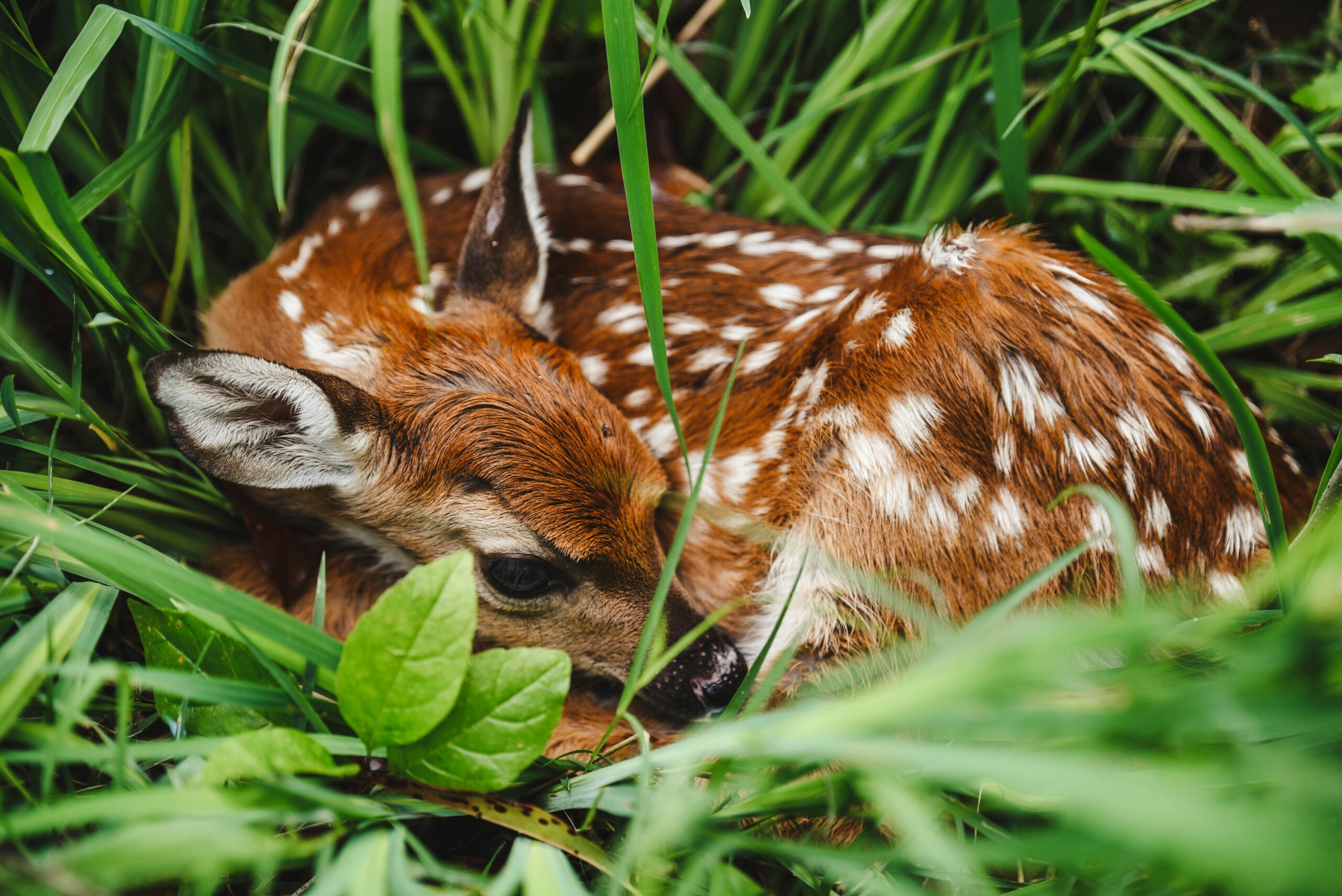
For adults who recognize themselves in the fawn response, the first step is often grieving.
Many people realize they were praised for traits that were actually rooted in survival: being “easy,” “mature,” “selfless,” or “the peacemaker.” It can be painful to recognize how often our emotional suppression shaped relationships and identity. But awareness is powerful.
The fawn response is not weakness! It is an incredibly intelligent adaptation to toxic abuse. Your brain did it’s job and found a way to protect you.
Like K, healing from the fawn response involves slowly rebuilding a relationship with yourself. That may include learning to identify your feelings and needs, sometimes disappointing others, practicing healthy boundaries, and recognizing that conflict does not automatically equal abandonment. That last one can be a real challenge.
This work is not easy. It can be extremely painful at first, which is why a lot of people stay stuck in their trauma. Finally prioritizing your needs and desires may disrupt the status quo in your family, which can exacerbate accusations and rejection.
The hard truth is, the people who have been keeping you small don’t like it when you grow strong. It threatens the sense of power and control they created to keep themselves safe. However, your number one priorityhas to be your emotional wellbeing, and if those people won’t seek the help they need to heal, it’s not your job to fix them.
Many adults who heal from fawning describe a profound shift: for the first time, they begin making decisions from a grounded sense of who they truly are and that feels like FREEDOM. I wish all of you that freedom.
Special Gift! Download Your Free Workbook
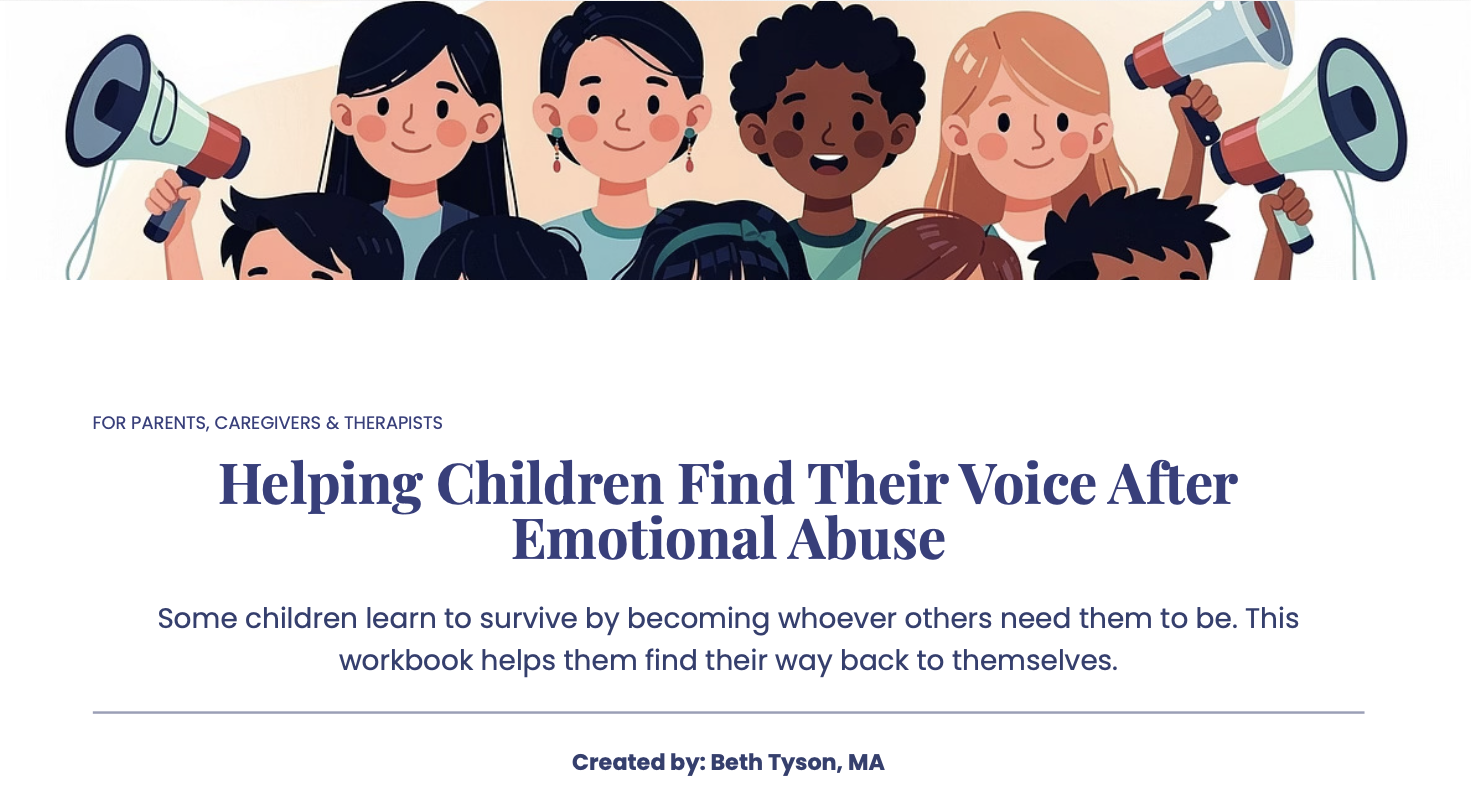
This free workbook was created to help you recognize the hidden signs of the fawn trauma response in children and, more importantly, learn how to help them connect with their voice and build a strong identity despite all they’ve endured.
Research consistently shows that children who develop a strong sense of identity and belonging are more likely to experience long-term emotional health, healthier relationships, and a reduced risk of trauma-related disorders across the lifespan.
This workbook was designed specifically to help you empower the children you love with an identity built on trust, mutual respect, and co-regulation, instead of fear.
Inside, you’ll find:
- Age-appropriate reflection exercises
- Scripts, and trauma-informed insights
- Trauma-informed questions that help you move beyond “good behavior” and begin understanding what may actually be happening underneath it all
Instructions:
- To download the free workbook, click HERE. It will only be available for free until May 30th at midnight.
- Scroll down the page to enter your name and e-mail address.
- After you click “Download Now,” a success messagewill appear with another button to download the workbook.
- A Google doc of the workbook will open. That’s it!
This workbook was designed as special gift for being a dedicated reader of my monthly Childhood Trauma Newsletter™.
Together we can raise children who know they don’t have to earn love by disappearing on themselves.
News I’m Reading This Week
Each month I share a round up of the latest research and interesting news in the field of trauma and mental health that caught my attention.
My top picks this month are:
Childhood trauma doesn’t determine your future
Electric eyewear cheers up depressed mice as much as Prozac
Life after confronting a killer – Positive News
10 habits to support your mental health
In Closing…

A photo of me at the annual Pennsylvania CASA Conference last month where I hosted two workshops and a vendor table
After a crazy busy Spring of work travel for speaking events and workshops, my life lately has shifted into the elementary school version of Maycember chaos. PSA – Do not ask any Mom or Dad where their cup of coffee went or what day it is until mid-June.
There are unfinished piles of laundry around my house, a dog I forgot to feed on time, and I think the back seat of my car has it’s own eco system developing. But somehow, none of that matters more than my wellbeing and the quality of my relationship with my daughter.
The way I’m take care of myself amidst all of it is by staying connected to my creative practices through nature photography and a historical printing process using the sun called “cyanotypes”. I learned how to create cyanotypes last fall, and it’s totally captivated me. If you’re curious, below is an image of one I created using a flower from a local Magnolia tree. I made the t-shirt too!

In a world that often rewards productivity over presence, I hope this newsletter reminds you that healing still happens in relationships, whether it be with people, animals, art, or something else.
If you would like to receive this monthly, free newsletter in your email inbox, you can subscribe at my website: BethTyson.com. I would love to have you join my community of over 80,000 Trauma Champions.
Thank you for being here with me.
With hope and compassion,
Beth

