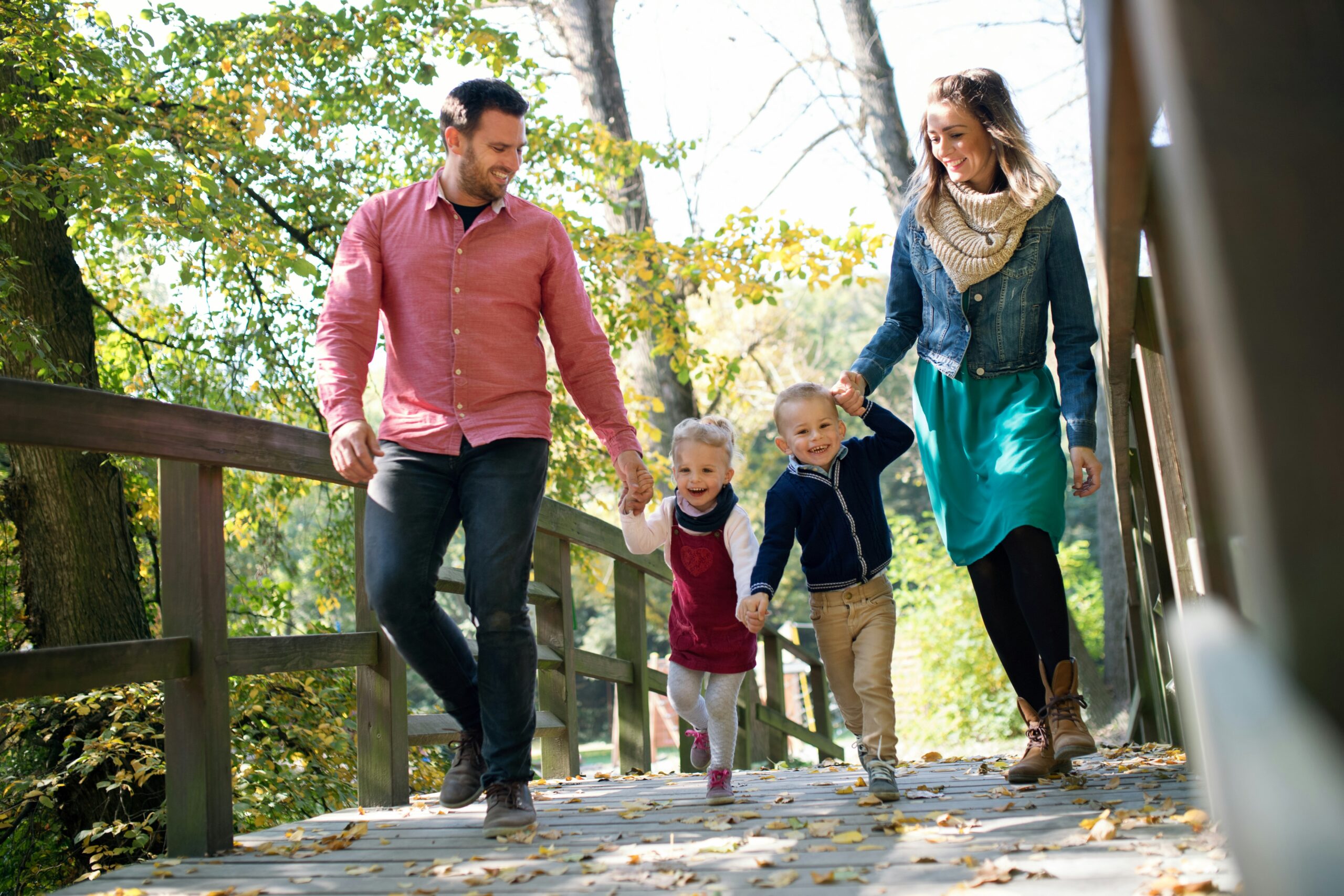
There was a little boy I worked with years ago. He was five years old, and I’ll call him Marcus.
Marcus was living with his foster family for almost two years while his mom was working on her sobriety. Although it had been a rough start for him in his new foster home, he now knew where the snacks were kept, he had a favorite blanket on the couch, and he had a kindergarten teacher he loved.
After many months of grief, anger, and confusion, he was finally familiar with the rhythms of his life, until…
One day, his social worker told his foster family they had 24 hours to gather his belongings and say goodbye. Not because something went wrong, but because he was going home to mom. He was being reunited with his biological family.
On paper and according to the child welfare system, this was a success, and in many ways that was true; however, abruptly moving Marcus back to his bio family didn’t set either family up for success. We set them up for additional harm.

Yes, We Are Moving Children Too Quickly
I need to say this out loud for my own sanity and for the people in the back: The speed at which we move children from one family system to the next matters, especially for very young children and babies.
Marcus wasn’t moved quickly to intentionally to set the family up for more problems. Everyone believed returning him immediately to his mother was the LEAST harmful move.
From a non-clinical perspective, I get it. The research supports that children do better with their biological families.
The Impact of Fast Moves
The problem was that nobody prepared Marcus or his bio and foster families for what it would feel like to make this transition. There was no shared communication about what to expect, no time spent between both homes, no bridge from one family to the other, and no real goodbye.
Weeks later, while living back at home, his behavior escalated in ways that confused and frustrated his mother. Despite all the progress she had made, she was having a hard time coping with all of the changes in her life. She was losing her patience more frequently than not with Marcus’ whining and aggressive behavior, and she felt like maybe Marcus didn’t want to be with her anymore.
One night before bed, she thought to herself, “Marcus is better off with his foster family.”
When we zoom out and look at this situation from a bird’s eye view, Marcus wasn’t rejecting his mother or being a “bad” kid. He was filled with grief and confusion from the loss of his routines, community, and safety with the foster family. These intense feelings showed up in his behavior because he didn’t have the language or the skills to cope with this experience.
So, what do we do? How do we help these families and reduce stress when reunification or removals happen? The good news is, most of the time, there are steps we can take to prevent this scenario from playing out.
We Call Them Transitions, But Families Experience Them as Loss
If you’re reading this, you know that in child welfare, change is constant. Children are removed in the middle of the night. Children are reunified within 24 hours. Children move between homes and caretakers as if they are interchangeable. These relationships are NOT interchangeable.
For the adults, this might appear to be business as usual, but for the children who have already experienced so much trauma and loss, a move is NOT NEUTRAL. Moves involve loss, even when they are for positive reasons.
These frequent and abrupt changes in care are relational ruptures and attachment disruptions, and they break a child’s sense of trust in the people and world around them. These ruptures in trust are what lead to the behavior problems we see on the outside.
The Science Beneath the Story
Young children and babies don’t process change the way adults do.
They can feel when something is different, even if they are too young to express it. They notice when someone important is gone. They don’t understand why and make up stories about why important people are missing, such as “they didn’t love me anymore.”
“The absence of expected caregiving relationships is itself a form of adversity” (National Scientific Council on the Developing Child, 2020).
When changes happen abruptly, the child’s nervous system will show:
- Heightened vigilance
- Clinginess or withdrawal
- Aggression or shutdown
- Difficulty trusting people
“When stable, responsive relationships are disrupted, stress responses increase” (Shonkoff et al., 2012).
When Urgency Is Real… and When It Isn’t
Sometimes, children need to be moved immediately for safety matters. I understand that, and I don’t want to discount that decision AT ALL. However, there are many times when the transition is NOT an emergency, and we are still tearing families apart without much preparation.
“When we treat all transitions as urgent, we create harm where we had room to reduce it”
Improving Outcomes When Children Are Moved

Many children experience transitions like walking off a cliff without a safety net. One day, they are humming along to the routine of their life, even if it’s not “perfect,” and the next day, the adults decide they have to leave, right now. I’m here to say, it doesn’t have to be this way every time. These moves and transitions can be scaffolded (when safe to do so).
Building a Bridge
What Scaffolding Looks Like:
- Shared caregiving time between foster and bio family
- Gradual increases in time with bio family
- Simple, honest explanations to children about what is changing
- Incorporating rituals to say goodbye
- Maintaining important connections when safe and possible
- Preparing adults for grief-based behaviors from the child/children
- Educating caregivers about the grief and distress they might feel when the child leaves or moves back in with mom.
Prevention and Healing Live in the Same Decisions
Trauma leaves a lasting impact on the developing brain. Quick moves and changes can be traumatizing to young children, and these “early experiences shape brain architecture and long-term outcomes” (Shonkoff et al., 2012).
A Question to Carry With You
If a transition had to happen tomorrow, what would it look like to give that child even one piece of a bridge? What could we do differently to scaffold the transition for everyone involved? Here are a few easy ideas:
Name what’s happening simply and honestly
“You’re going to a new house tonight because we need to make sure you’re safe. I will help you understand what happens next.” Even a few words can reduce fear of the unknown.
Let the child take something that matters
Toys, blankets, and clothes are not just belongings, but pieces of continuity and attachment objects that can bridge the experience between homes.
Slow the moment down, even briefly
A rushed exit can feel like a disappearance. Rushing can make the experience feel even more threatening and scary for young children. Even five intentional minutes can help a child register what’s happening.
Acknowledge the relationship they’re leaving
“You care about them, and they care about you. This is really hard and confusing, but we will get through it together.”
This protects the child from feeling like they have to emotionally erase someone to move forward. Create a plan for connection, if it’s safe.
Tell the child and their family: “You’ll see them again” or “We’ll help you stay connected.” Even if the details aren’t clear yet, the possibility matters.
Prepare the next caregiver before the child arrives
Share what the child likes, what soothes them, and what they might be feeling. This helps the receiving home respond with understanding instead of confusion.
Narrate the transition as it’s happening
“We’re getting in the car now. We are going to drive 20 minutes to mom’s house. When we get there, I’ll stay for a little while to help you get adjusted. I’m right here with you.” Children borrow our regulation in these moments.
Follow up after the move
A familiar face checking in can reinforce that people don’t just disappear.
None of these steps takes hours, but together, they tell the child “you matter.”
What other ways could we build a bridge for children instead of a cliff during transitions? I’d love to hear your ideas in the comments.
Work With Me

If your team is navigating transitions for young children that don’t feel like they’re landing well, I’d be glad to support you in making progress. Just contact me at beth@bethtyson.com or on my contact page to schedule time to talk about workshops, consulting, or team coaching for your organization. Together,we can make transitions healthier and less traumatic for children and families involved in the child welfare system.
What’s Happening at BTTC?
It’s been a busy couple of months! In March, I hosted two workshops in Austin, TX, at the Omni Family Institute Conference, and then I was the keynote speaker at the North Dakota Family-Based Services Conference in Fargo, ND. In the very grainy video above, I am speaking about the pain of loyalty conflicts in children raised in kinship or foster care.
Both conferences were incredible, and I am so honored I had the opportunity to meet hundreds of people doing the work to prevent and heal childhood trauma. It’s truly inspiring to be surrounded by this level of commitment and dedication to the well-being of children, when the world out there feels so dark.
Personal Update

After my time in Fargo, I headed to Colorado for a spring ski trip with my family. It wasn’t exactly the kind of trip you picture when you think of ski season. They had the hottest winter on record, and the conditions reflected that. But we made the best of it. I found myself slowing down, using my camera more than my skis, taking in the landscape in a different way. And then, on our last night, the mountain received 12 inches of snow. We squeezed in a few hours of fresh powder before heading home.
If I’m being totally honest, some moments were hard. The kind of moments that remind me how quickly expectations, stress, and relationships can collide, even when you know this work as well as I do. It’s very humbling to say the least!
As a trauma therapist, I know this time together matters deeply to children, but it’s not always perfect. When things don’t go as planned, those moments become opportunities for repair, for flexibility, for showing children that connection can stretch and hold, even when things feel messy. It was a reminder I didn’t plan for, but one I’m carrying with me into this month’s work.
Next Up…
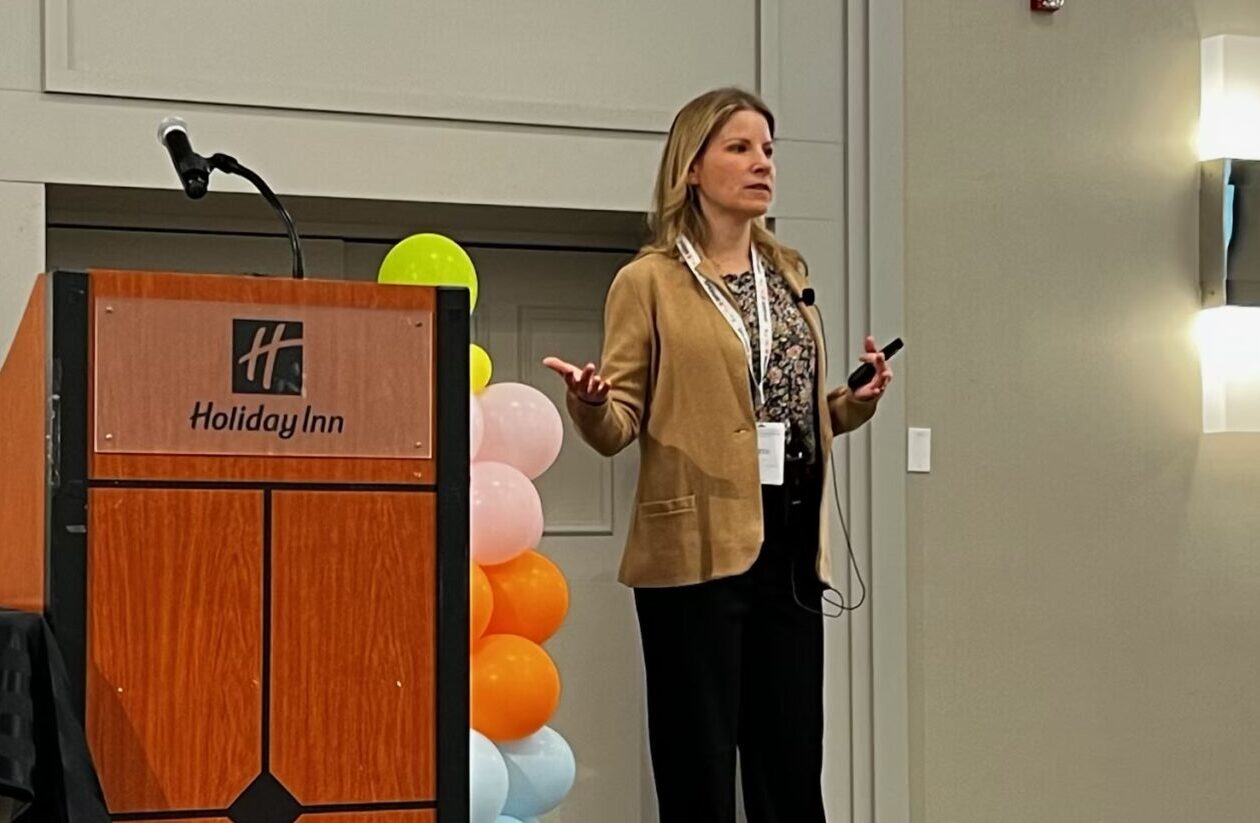
In two weeks, I’ll be presenting two workshops at the annual Pennsylvania CASA Conference in Altoona, PA. The topic of these workshops will be identifying and healing from secondary trauma when working in the child welfare system.
So often we focus on how to help the families, and rightfully so, but what about the professionals and volunteers who take on the vicarious trauma they are exposed to every day?
If we want to keep helping families, we have to think about the mental health of those who are serving them. During my workshops, I’ll provide personal stories about secondary trauma and practical strategies for setting boundaries that can protect us from harm in the field of child welfare.
Upcoming Event

VOCE presents the Forum on Pennsylvania’s Children
Thursday, May 28, 2026 | 8 am to 4:30 pm | Wyndham Garden, York, PA
From their website:
“Skill-building workshops. Thought-provoking speakers. New connections across disciplines. All in one energized day that will be a catalyst for collaboration for years to come.” The Forum on Pennsylvania’s Children is qualified for CE credits.
REASONS TO ATTEND THE FORUM ON PENNSYLVANIA’S CHILDREN:
- Expand your knowledge about trauma and challenge assumptions
- Be inspired to create change by the voices of individuals impacted by trauma
- Forge new relationships and find new partners to advance your work
- Contribute to solutions spanning multiple disciplines engaged in trauma healing
- Uncover and explore initiatives that can improve access to services
And, I’ll be attending! I hope to see you there.
Learn more here: https://vocetogether.org/programs/fpac.html
In Closing
This work is not about getting every transition “right.” I’ve been in rooms where decisions had to be made quickly, with limited information, and I know how heavy that responsibility can feel. But I also know the way we move children matters. Not just the decision itself, but how it is experienced in their body and relationships.
If your team is sitting with these same questions, trying to balance safety with connection and wondering how to reduce harm in the moments that matter most, this is the work I care about.
I’d be honored to come alongside you as you build practices that offer children not just protection, but a bridge. Reply to this email with your interest, or contact me HERE to start building those bridges.
With hope and compassion,
Beth
References
Center on the Developing Child at Harvard University. (2021). Three principles to improve outcomes for children and families.
National Scientific Council on the Developing Child. (2020). Connecting the brain to the rest of the body.
Shonkoff, J. P., Garner, A. S. (2012). The lifelong effects of early childhood adversity and toxic stress. Pediatrics, 129(1).