My daughter started public elementary school this fall, and… it’s been a ride. While most of the changes are positive, as a child trauma specialist, I can’t unsee how little time she has to play during the school day.
Play deprivation is a problem in American schools, and I’m not going to dance around it. I’m alarmed, not only for her, but for the millions of children with a history of trauma.
As a parent, I try to keep my daughter off screens as much as humanly possible, and like every parent I know, I don’t always nail it. She has limited weekend screen time during the school year, plus the occasional restaurant moment when we just need to have an adult conversation. It’s not perfect, but it works for us.
What gets me, though, is how the media obsesses over screens — and fair enough — but barely mentions the real elephant in the room: Kids don’t have enough access to play.
I’m not talking about sports and organized after-school activities. I’m talking unstructured, joy-driven, imaginative, creative play. Play deprivation is doing more harm than we’re willing to admit.
I’ve spent fifteen years working with the science of childhood trauma, attachment, and resilience. And still, I’m floored by how stubbornly our public school systems cling to the idea that more instruction and less play produce better outcomes.
We Are Ignoring the Research on the Value of Play
We have the data from decades of neuroscience that play is essential to children’s mental health, especially for children 10 and under. Yet across the country, children are eating lunch like they’re in a speed-eating competition and getting 15-25 minutes of recess time a day.
If they live in a climate that experiences varied weather and hot/cold temperatures, they get “indoor recess.” This usually means our children sitting quietly in an auditorium where they have to keep their voices low and limit their bodily movement.
I have one question: based on what we already know from the research, how is any of this conducive to learning, resilience, and behavioral regulation?
We know that children need to move their bodies to regulate their emotions, and we know that if a child’s emotions are dysregulated, they will have trouble focusing and learning (or worse).
We also know the benefits of fresh air, sunlight, vitamin D, green spaces, and unstructured play, and YET, we are still keeping our children indoors most of the day and limiting their movement!
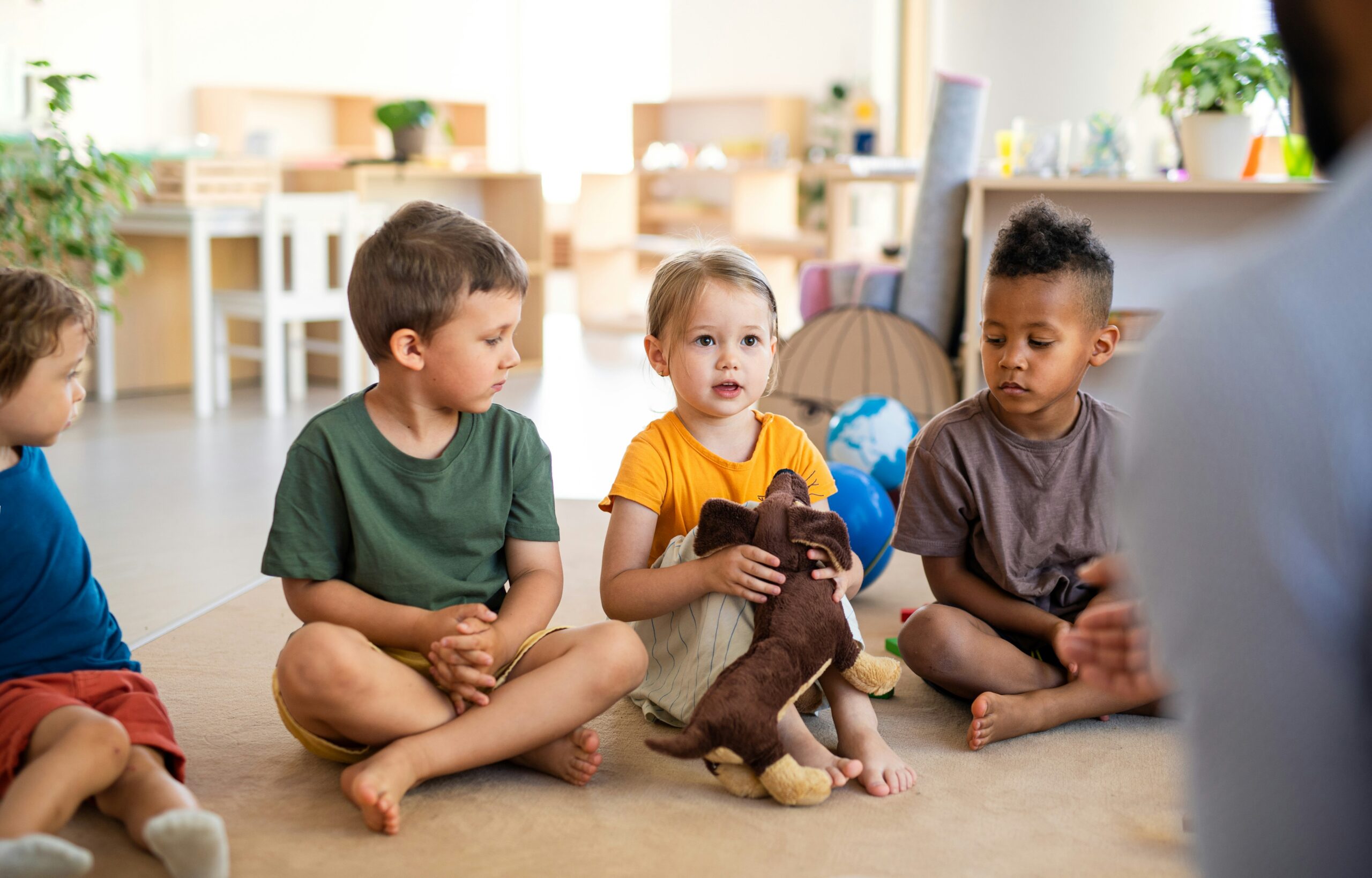
My daughter told me the other day that when they sit in circle time, they are only allowed to SIT in a certain way. This means that even when they are still their bodies are being restricted! I’m sorry, but this isn’t healthy, especially for children who are neurodivergent or have experienced trauma and loss.
I get that we need to keep their bodies contained so they don’t harm themselves or others, but adding safe alternatives like sensory cushions or wobble chairs seems like a more effective approach than controlling their bodies.
Why Are We Raising Play-Deprived Kids?
Free play is vanishing because a whole ecosystem of pressures has closed in around kids, leaving almost no spaciousness in their day. When we zoom out, the pattern becomes concerning:
-
Academic pressure has crept earlier and earlier, pushing structured instruction into ages once reserved for exploration and imagination.
-
The Organized-Activity Snowball Effect: Most parents don’t actually want their children’s after-school or weekend time packed with activities, yet they find themselves signing up anyway because spontaneous play has vanished. With so many kids tied up in sports and structured programs, the only way to secure social interaction is to schedule it, even when it goes against their instincts.
-
Standardized testing dictates school schedules, leaving teachers with little flexibility to honor the developmental needs of their students.
-
Recess is treated as expendable, often reduced or removed when schools feel squeezed for time or resources.
-
Screen-based entertainment fills the gaps at home because families are overstretched and exhausted.
-
Safety fears limit outdoor independence, shrinking the informal neighborhood play that once shaped resilience and social skills, especially in urban settings where the threats may be real.
The result is a generation of children who are overstimulated and under-supported, busy yet undernourished, surrounded by activity but starved for the kind of play that builds regulation, creativity, and emotional strength. If we don’t course-correct, the cost will fall on our kids’ nervous systems long before it shows up on any report card.
I Am Not Anti-School or Blaming Schools Individually – This is Systemic
You may be thinking – oh, here we go, another anti-school mom. But, in all honesty, I’m not anti-school. I think structure and academics have their place in society. New research out this week shows that children’s mental health improved when they returned to school after the pandemic, so obviously something good is happening there.
I am not blaming the people who have dedicated their lives, often at the detriment of their own families, serving children from hard places every day. That is not my goal here.
What I am saying is that we must hold fierce respect for our school staff and call out what needs to change if we really want ALL children to have a chance at learning and growing into healthy adults.
What the Research Says About Play and the Brain
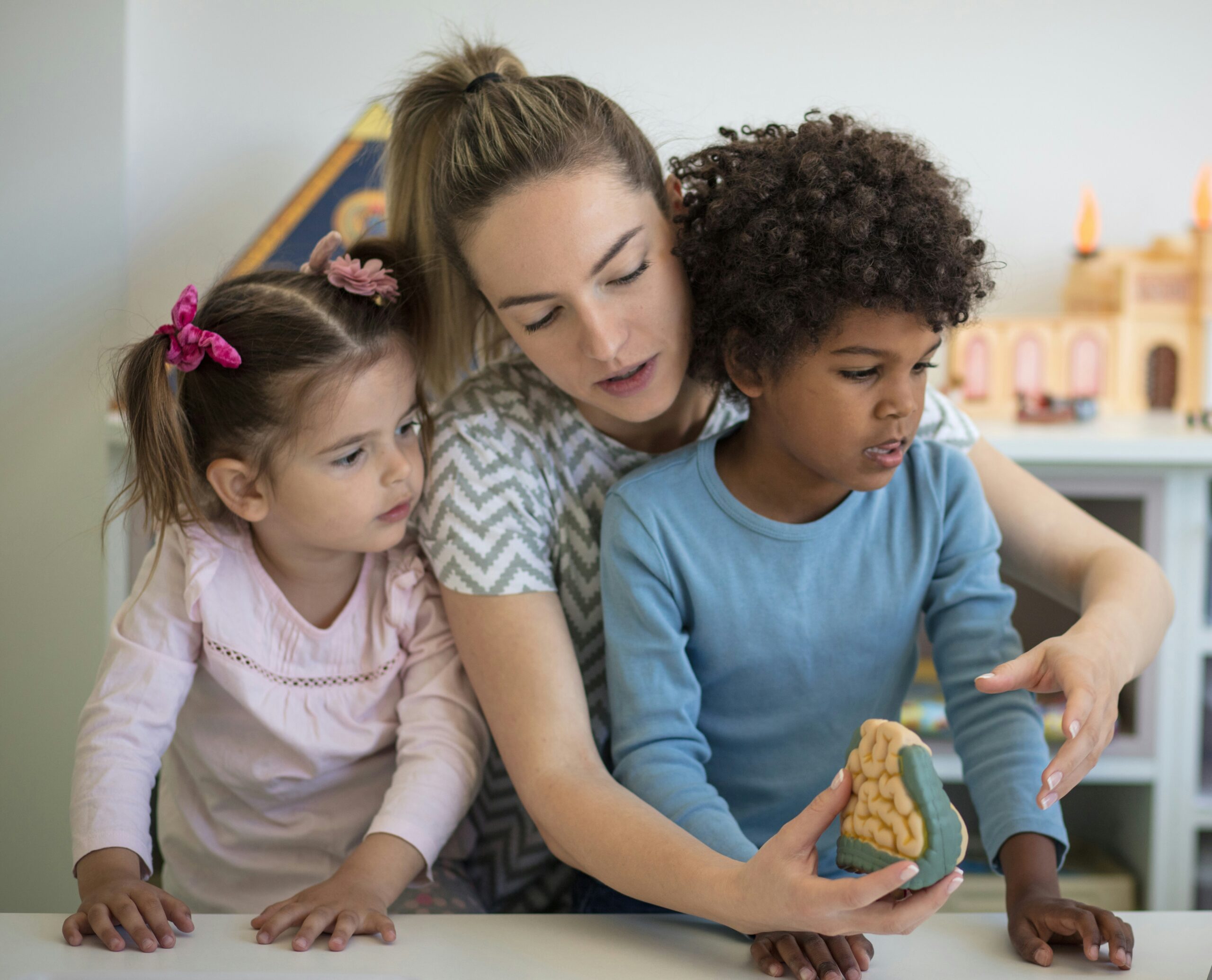
Free play is the main operating system of childhood. It is one of the foundational pieces of long-term emotional and physical health.
But what exactly is free play? It is an unstructured, child-led exploration where kids choose how, what, and with whom they play, allowing their curiosity and inner world to guide the experience.
Neuroscience research shows that free, unstructured play supports:
• Stress recovery and emotional regulation (the ability to manage emotions)
• Executive functioning and cognitive flexibility (learning and adapting to the environment)
• Social problem-solving (less conflict)
• Attachment and relational trust (emotional safety)
• Improved academic outcomes (less school avoidance)
• Lower rates of anxiety and depression (happier, healthier kids)
Free play is the vehicle through which children organize their internal world, especially after trauma. It’s how they metabolize fear, grief, and powerlessness. When we restrict play, we restrict resilience!
The research is painfully clear, even though we continue to minimize it:
• Unstructured play strengthens prefrontal cortex development and supports the neural circuits of self-regulation (Pellis & Pellis, 2013).
• Physical activity increases cognitive performance and on-task behavior in school (Donnelly et al., 2016).
• Play buffers the effects of toxic stress and supports the recalibration of the stress-response system (Center on the Developing Child, 2016).
• Children learn best when their bodies and emotions are regulated, not when they are overscheduled or overstimulated (Perry & Szalavitz, 2017).
• Play is a core component of trauma recovery, especially for kids navigating loss, separation, or instability (Landreth, 2012).
What I’m about to say next should shock you (it shocked me):
Many U.S. schoolchildren receive less than 30 minutes a day of recess, while institutional policies for adults in correctional settings can guarantee at least an hour of outdoor exercise. This contrast highlights how outdoor play is undervalued in child-centered environments despite well-documented developmental benefits.
That truth hurts. Period.
Six Trauma-Informed Play Practices for Home and School
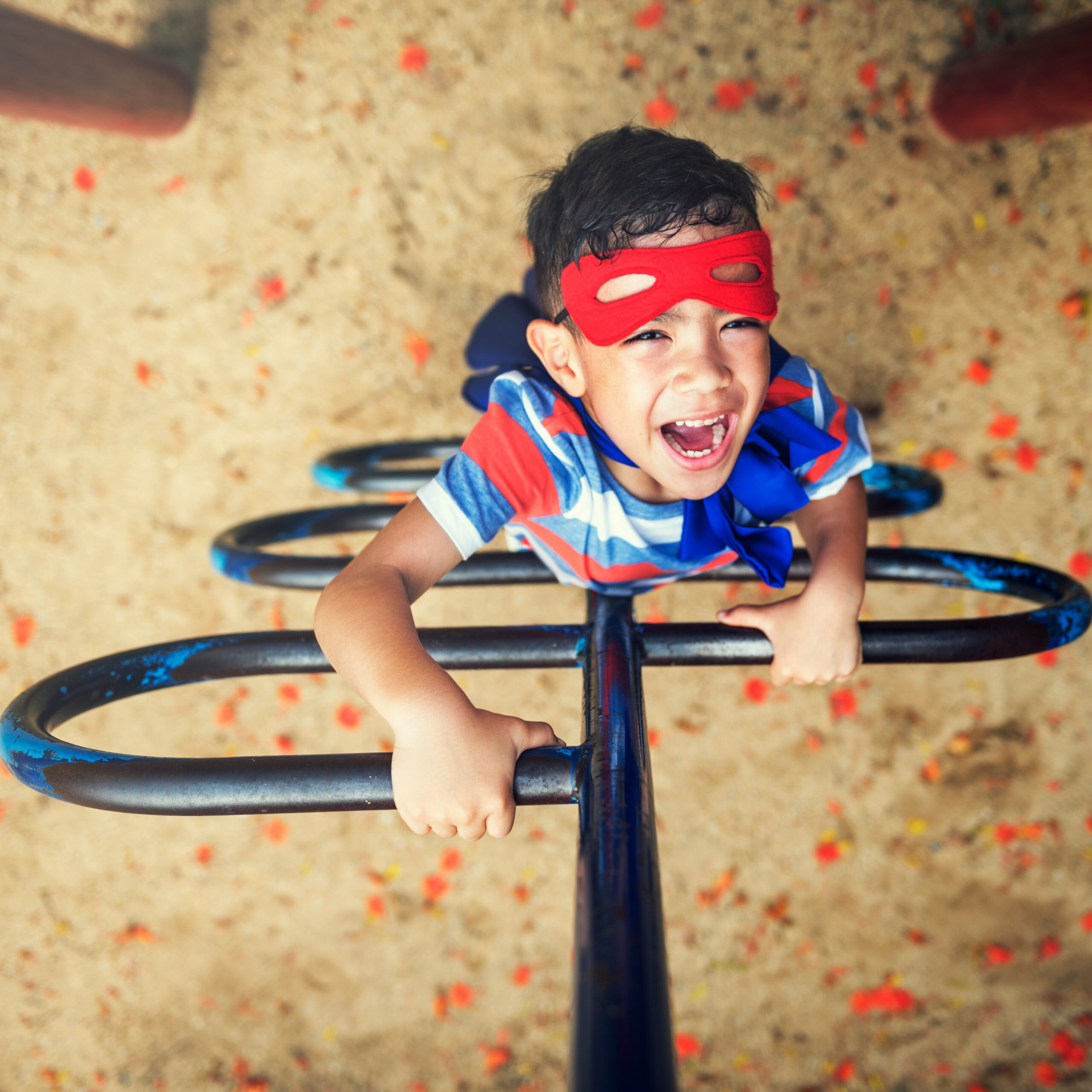
I don’t want to complain about the problem without offering solutions because that doesn’t help anyone. The practices below can help us incorporate more play into our children’s day. They are inexpensive and do not require heroic effort, but we do need to slow down, tune in, and trust children’s natural drive toward healing if we want to see positive results.
1. Create More Opportunities for Free Play, Not “Calm Corners.”
Nobody in the history of ever has calmed down from being told to “calm down,” and that includes children.
Children who’ve experienced trauma or loss often need places where their nervous systems can downshift back into safety. And from my experience, children find safety through play and sensory experiences with people they trust, like rocking, dancing, and using their hands. A calm corner isn’t always going to cut it. There’s no better place to burn off stress hormones than outdoors or in a gymnasium with people who are safe.
Tip: Some children have trouble engaging with free play. If this happens, pick up a toy or item and quietly start playing with it yourself without saying anything. Wait for them to notice, and when the moment feels right, they will be more likely to join in.
Note: Never remove recess or play as punishment or as a way to isolate the child. It should be a place where they have positive experiences and feel supported by your presence.
Why it works: predictable, sensory-soothing spaces support co-regulation and reduce cortisol levels (Gunnar & Hostinar, 2015).
2. During Play Be the Follower (this one took me some time to learn).
Child-directed play, not adult-scripted play, builds self-agency, a critical antidote to trauma’s sense of helplessness.
Try: 10 minutes a day narrating, reflecting, and mirroring instead of leading or telling the child how to play.
This step was hard for me at first with my daughter. I noticed the urge to tell her what to do or make suggestions. It took a minute, but eventually I learned to take the back seat and let her play the way she wanted to, without my interruptions.
Tip: It can help to sit on your hands. Literally.
Why it works: child-led play increases intrinsic motivation and strengthens neural pathways linked to autonomy and executive function (Hassinger-Das et al., 2017).
3. Allow Big Feelings in Play
Children might reenact what they don’t yet have words for. When a stuffed animal gets “taken away,” or a bunny “gets hurt by another bunny,” the child isn’t being negative or violent. They’re processing the trauma they experienced.
Instead of following our gut reaction to shut this type of play down, allow it. If you need to slow things down from escalating, enter with curiosity: “This looks like a really hard moment, and I’m here to help you through it. Let’s take a break together and come back to this play later.”
Why it works: emotional expression through symbolic play reduces internalizing behaviors and supports integration after stressful experiences (Pynoos et al., 2014).
4. Increase Movement While Learning
Learning that involves whole-body movement like running, pushing, lifting, climbing, rolling, and dancing supports regulation far more than quiet, seated tasks.
Try: Place vocabulary words or spelling cards on the opposite side of the room. Each trip across the room, the child uses a new “animal walk,” like bear crawl, crab walk, frog hop, or penguin shuffle, to retrieve a card.
Why it helps: Whole-body patterned movement helps reset an activated nervous system and support attention.
Each trip becomes a chance to read the word out loud or use the word in a sentence.
Why it works: movement activates the vestibular and proprioceptive systems, which help stabilize mood and attention (Ayres, 2005).
Get creative with the way students learn and find ways to include movement. It requires a little more effort than a worksheet, but it will pay off in fewer behavioral challenges in the classroom.
5. Add Bilateral Stimulation
Bilateral stimulation activates both hemispheres of the brain through movement and rhythm in the body.
Ex: The child uses one finger to draw a large sideways figure eight on paper or in the air. After a few loops, they switch hands.
For younger kids, you can make it playful: draw a racetrack loop and have them “drive” through it with a crayon.
Why it works: The continuous crossing of the midline supports visual-motor integration and promotes bilateral engagement of the brain’s attentional networks (Case-Smith & O’Brien, 2013).
Great for: Grounding an anxious child, focusing before reading or writing, or helping a child transition after a conflict.
Try: two-minute movement breaks at school, “shake it out” playlists at home, or letting children walk a lap around the room while taking turns spelling words.
6. Protect Unstructured Play Like You’d Protect a Prescription
If a doctor prescribed 45 minutes of daily play for cognitive, emotional, and relational health, we’d guard it fiercely. Consider this your prescription.
Why it works: unstructured play increases stress resilience and social competence, particularly for children exposed to adversity (Yogman et al., 2018).
At school: advocate for recess before lunch, longer lunch periods, and multiple outdoor breaks.
At home: resist over-scheduling. Leave room for boredom. Boredom is the doorway to imagination and spontaneous play that helps children heal.
A Call for Courageous, Compassionate Change
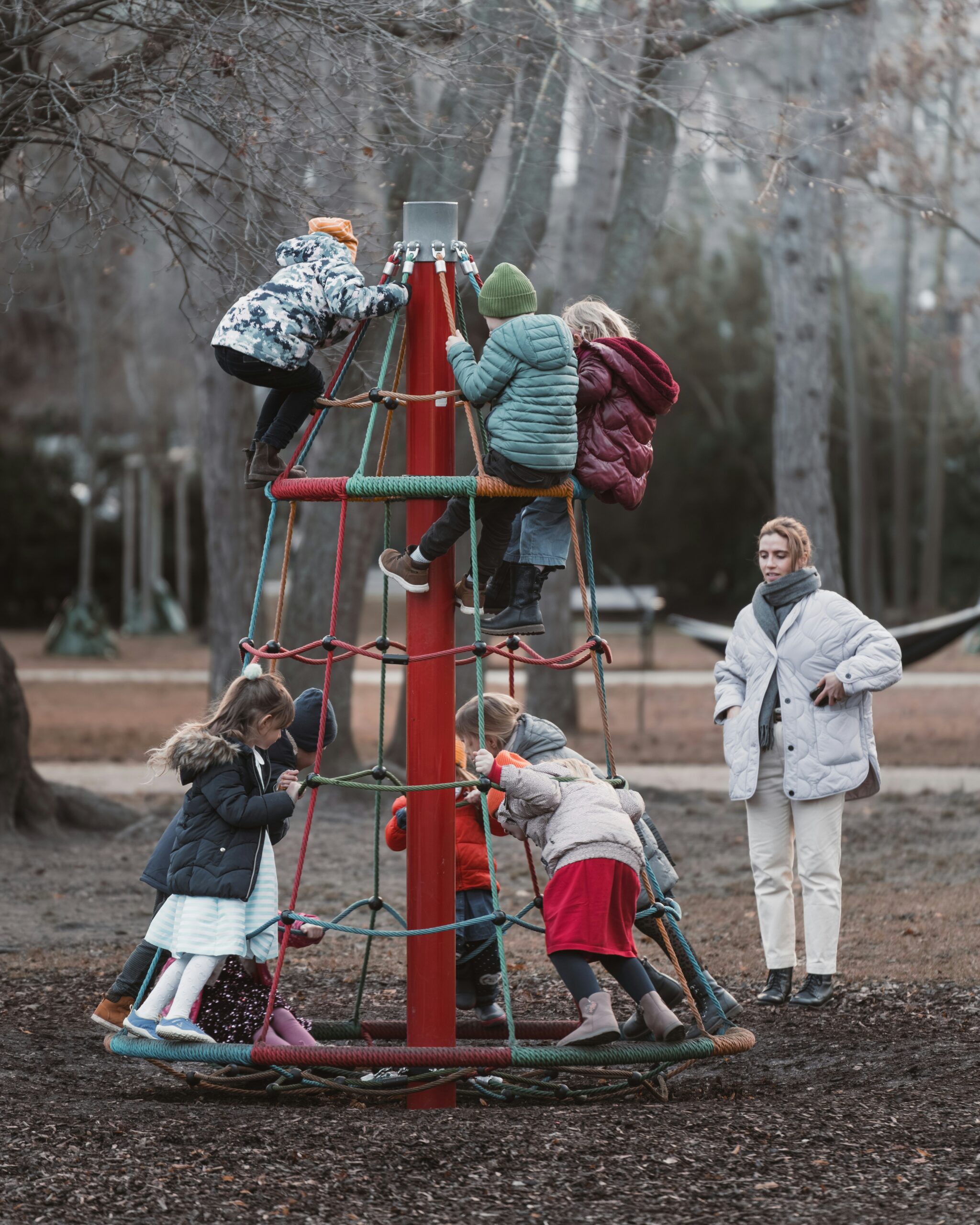
The longer I do this work, the more convinced I am that adults have to be willing to challenge systems that inadvertently harm the very children they’re meant to support.
We can request more play in our schools without blaming teachers. We can bring trauma-informed play into our homes in small, steady ways. We can remember that children need time to play and be kids! Sure, learning is important, but learning won’t happen if our children are overwhelmed or full of nervous energy.
As the adults responsible for their early years, we have to keep naming this truth even when the system resists. Play is the foundation on which regulation, resilience, and connection are built. I hope that we keep fighting for it, persistently, in every corner where children spend their days.
To learn more about the importance of play, my friends over at the Attachment & Trauma Network, Inc. published a podcast recently that inspired me to write on this topic. You can listen to it HERE.
What’s Going on at Beth Tyson Trauma Consulting?

Important: I’m currently sold out of all in-person training opportunities until May 1, 2026. If you’re hoping to bring a speaker or trainer in for summer or fall 2026, now is the time to reach out so we can get the ball rolling. I’d love to hop on a brief call and explore how I can support your mission to better serve children from hard places.
Most popular trainings/talks:
- Navigating the Invisible Trauma of Ambiguous Loss in Children in Care
- The H.E.A.R.T. Framework for Trauma-Informed and Healing-Centered Supervised Family Time (Visits) – Includes a reading of my book, Sullivan Goes to See Mama.
- Trauma-Informed Caregiving Strategies for Kinship Care Families
Coming Soon from BTTC: The FIRST YEARS 3-Part Training Program to Prevent and Heal Early Childhood Trauma
At the beginning of January, you can be the first to register for The FIRST YEARS™ Online Training Program – A 3-part training series grounded in connection, attachment, and years of frontline work with young children and families. It offers a deeply human approach that is practical and different from all the brain science you’ve been learning.
Instead of learning about how trauma impacts children, we will be learning how to prevent it and heal it using practical strategies.
Last month, I hosted an introductory webinar on The FIRST YEARS Framework to give you more details. In it, I shared the problems this training will solve for you, BUT if you missed it, you can watch it HERE.
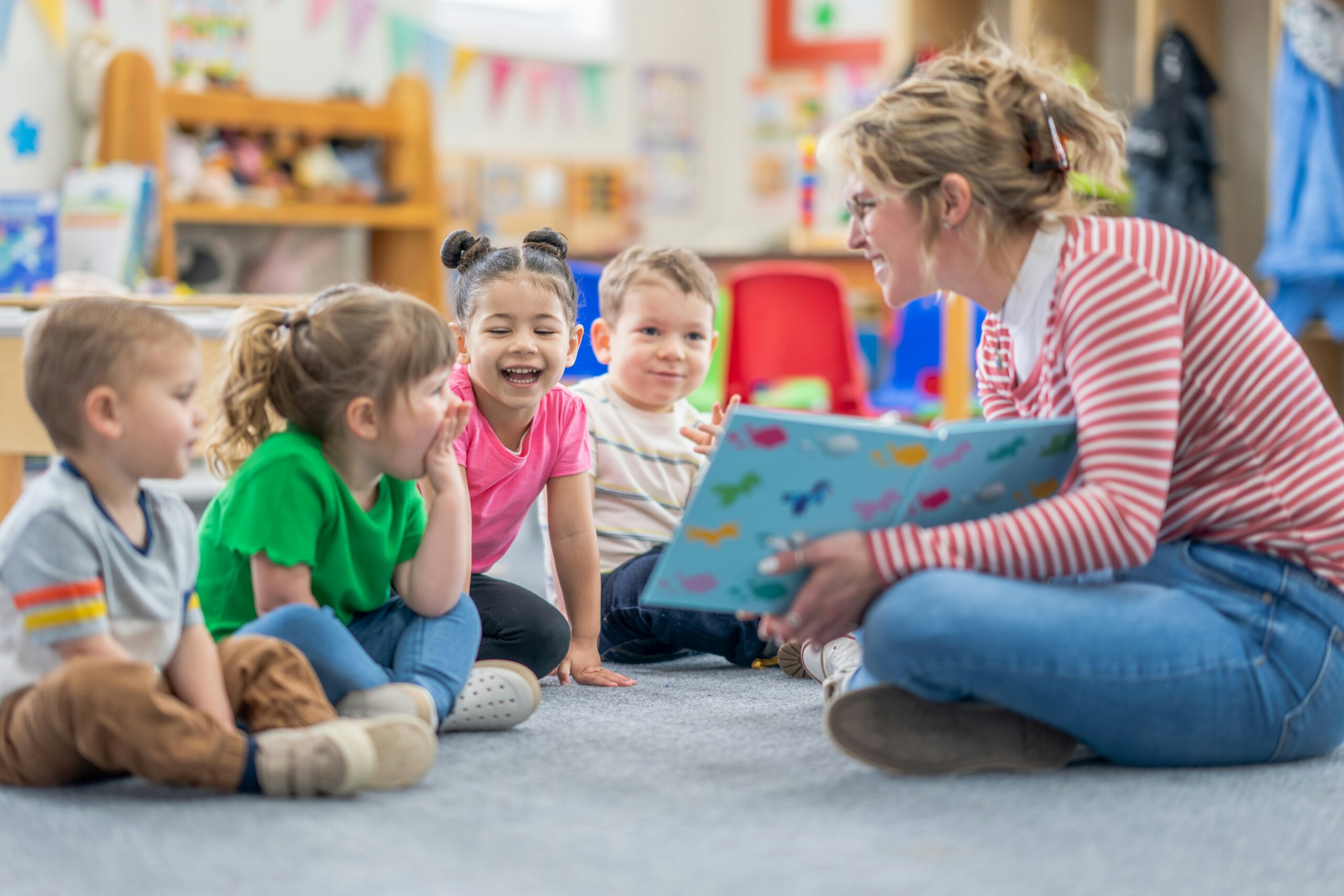
The Skills You Will Learn In the FIRST YEARS Training Program:
F — Foundations of Felt Safety
I — Integration of the Nervous System
R — Rupture and Repair
S — Self-Awareness & Shadow Work
T — Trust-Based Relationships
Y — Your Micro Connections
E — Emotional Co-Regulation
A — Attuned Play and Humor
R — Routines and Structure
S — System Supports
The FIRST YEARS Training Program is designed to feel both spacious and substantial, giving you time to absorb the material while leaving room to integrate it into your daily work with children and families. This way, you can return to the next session with questions, wins, and real-life challenges to discuss.
The program includes three online, live, two-hour sessions, where we’ll move through the full ten pillars of the framework with a blend of neuroscience, real-world case examples, reflective practice, and practical tools you can use immediately.
Dates of Each Session:
Live Session #1: Wednesday, January 28th from 12:00-2:00 pm ET
Live Session #2: Wednesday, February 11th from 12:00-2:00 pm ET
Live Session #3: Wednesday, February 25th from 12:00 – 2:00 pm ET
The Investment:
The FIRST YEARS Online Training Program costs $297 for individual participants, with team pricing and licensure opportunities available for larger organizations.
I am offering a limited number of partial scholarships available for kinship caregivers. Please contact admin@bethTyson.com for more information.
The registration link to sign up for the January 2026 cohort will be emailed to you at the beginning of January, so keep an eye out for it and make sure my emails are not going to spam or promo tabs in Gmail.
If you would like to be added to my interest list for this training, send me an email at beth@bethtyson.com, or contact me HERE.
Additional Details
Each live session will build on the last, so by the end of the series, you’ll not only understand the FIRST YEARS Framework, you’ll be able to bring it to life for the children and families you support.
Once you register, you’ll receive a recording for every session, whether you attend live or watch later. To receive your certificate of completion, you’ll take a short assessment designed to reinforce the key concepts and help you integrate the framework into your daily practice
For this January 2026 cohort, I’m only accepting a small group of about 20 people so we can assess what works and iron out the kinks. This program will be offered regularly once we finish the first cohort.
The benefit of being in the January cohort is that you can influence how the next iteration of the program turns out!
If you want to start the new year off with a solid foundation in connection-centered care for children, mark your calendar for January 2nd, 2026, and be the first to register for the FIRST YEARS Training Program before spaces fill up!
A certification of completion will be provided to all who participate in the live training program.
Quote of the Month
“The feeling of safety IS the treatment.”
– Stephen Porges
I’d say it a little differently: “Consistent, repeated, and predictable feelings of safety are the treatment.”

(Here’s a photo of my sleeping pooch for a little nervous system regulation before you go! He makes me so happy.)
As we close out the year, I’m wishing you a quieter rhythm in the weeks ahead. May there be pockets of rest, good food, soft laughter, and moments where the world feels safe again.
The work we do for children is demanding in ways most people never see, and we deserve a season that brings a little light back into our nervous systems. Thank you for caring as deeply as I do about children, and for being part of this growing circle of connection (60K+!). I’m grateful for you. Here’s to a peaceful New Year and a curious start to whatever comes next.
If you found this newsletter interesting or helpful, please share it with one friend or subscribe to receive it in your inbox at BethTyson.com. Together, we can make the world a safer place for children.
With hope,
Beth
References for this newsletter
Ayres, A. J. (2005). Sensory integration and the child. Western Psychological Services.
Center on the Developing Child at Harvard University. (2016). Toxic stress. https://developingchild.harvard.edu
Donnelly, J. E., Hillman, C. H., Castelli, D., Etnier, J. L., Lee, S., Tomporowski, P., Lambourne, K., & Szabo-Reed, A. (2016). Physical activity, fitness, cognitive function, and academic achievement in children: A systematic review. Medicine & Science in Sports & Exercise, 48(6), 1197–1223.
Gunnar, M. R., & Hostinar, C. E. (2015). The social buffering of the hypothalamic–pituitary–adrenocortical axis in humans: Developmental and experiential determinants. Social Neuroscience, 10(5), 479–488.
Hassinger-Das, B., Hirsh-Pasek, K., & Golinkoff, R. (2017). The case of brain science and guided play. Young Children, 72(4), 45–50.
Landreth, G. (2012). Play therapy: The art of the relationship (3rd ed.). Routledge.
Pellis, S. M., & Pellis, V. C. (2013). The playful brain: Venturing to the limits of neuroscience. Oneworld Publications.